Activiteitenverslag Gemeenschappelijk Controleorgaan van Europol verschenen
CPB, 'Vijfde activiteitenverslag van het GCO Europol', CBP 24 juni 2013, www.cbpweb.nl.
 Uit het persbericht: Mededeling, 24 juni 2013. Het Gemeenschappelijk Controleorgaan van Europol (GCO Europol) heeft onlangs zijn vijfde activiteitenverslag gepresenteerd. Het GCO Europol heeft tot taak het recht op gegevensbescherming van de burgers bij de opslag, verwerking en het gebruik van persoonsgegevens door Europol te handhaven. Het activiteitenverslag van het GCO Europol bevat een overzicht van de werkzaamheden die het GCO heeft uitgevoerd in de periode oktober 2008 tot en met oktober 2012. Het College bescherming persoonsgegevens (CBP) is lid van het GCO Europol en neemt op regelmatige basis deel aan zijn vergaderingen en inspecties.
"Als de Europese rechtshandhavingsinstantie moet Europol de EU ondersteunen bij het voorkomen en bestrijden van alle vormen van ernstige internationale criminaliteit en terrorisme en tegelijk fundamentele onderdelen van het recht op privacy en gegevensbescherming eerbiedigen. Europol en het Gemeenschappelijk Controleorgaan hebben zich ingespannen om een evenwichtige aanpak te ontwikkelen waarin recht wordt gedaan aan hun uiteenlopende belangen en verplichtingen", aldus Isabel Cruz, voorzitter van het GCO Europol in de verslagperiode in het voorwoord.
 Persoonsgegevens. Internetzoekmachine. Begrip ‚vestiging op het grondgebied van een lidstaat’. Recht op uitwissing en afscherming van gegevens. ‚Recht om te worden vergeten’.
 Persoonsgegevens. Beveiliging. Meldplicht. Strekking van het wetsvoorstel -
  Uit 't
 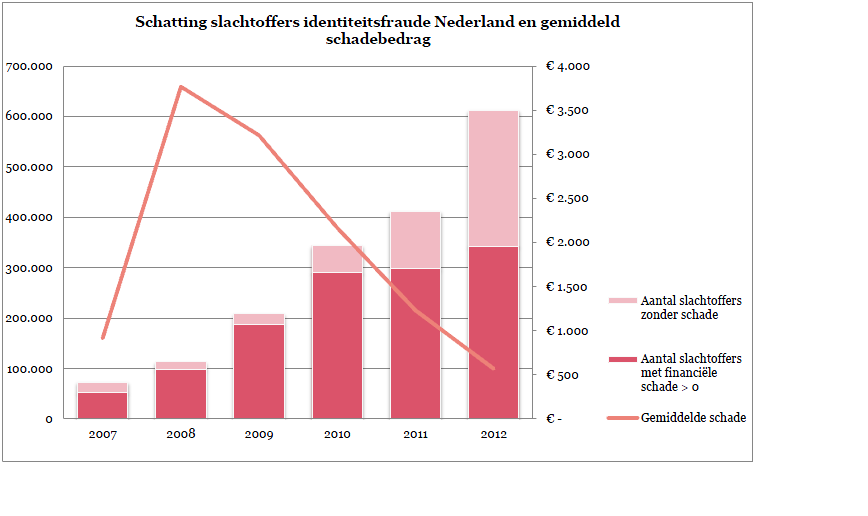 De minister: Het voorliggende onderzoek geeft veel waardevolle informatie over de omvang, en toename van het maatschappelijke probleem identiteitsfraude. Het beeld is echter niet compleet. Dat burgers in sommige gevallen geen schade ondervinden van identiteitsfraude wil bijvoorbeeld niet zeggen dat er geen schade is. De schade kan ook bij andere (private) partijen liggen.
 Smaadschrift. Belediging. In het openbaar bij afbeelding.
 Artikel 843A Rv, gewichtige redenen, het recht op bescherming van persoonsgegevens betreft geen absoluut recht zodat niet zonder meer kan worden geconcludeerd dat de geheimhoudingsplicht ex artikel 12 Wpb een gewichtige reden oplevert.
%20wikimedia.png)